Dog vomiting: when to see a vet
Published
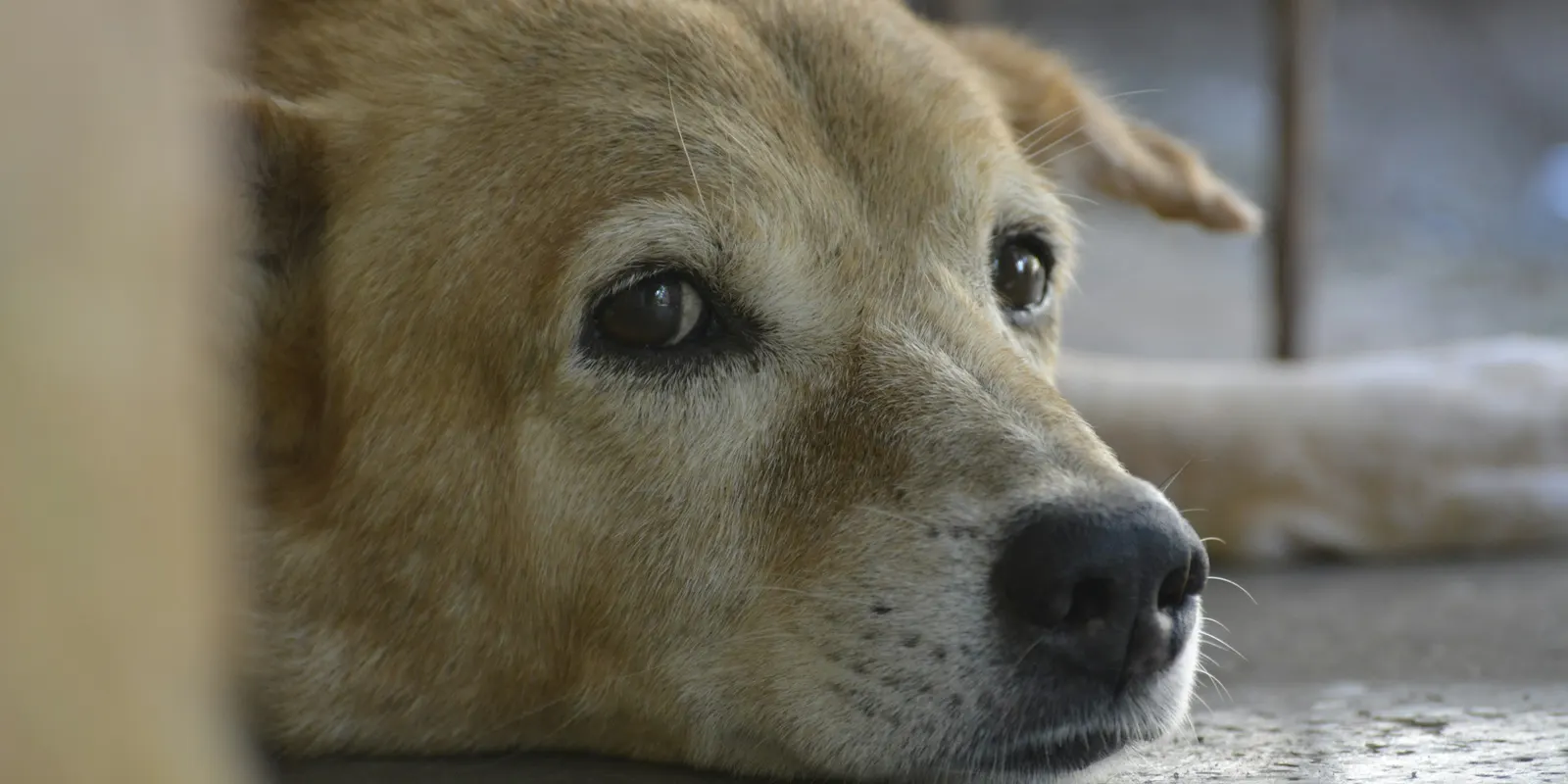
Dogs vomit fairly easily, and a single bout in a dog that is otherwise lively is often harmless. Vomiting can also be the first sign of poisoning, a swallowed foreign object or a twisted stomach, all of which need treatment straight away. This article brings together what veterinary hospitals and veterinary references say about vomiting in dogs: when to go to an emergency vet, what can cause it and what the vet examines. At the end you will find clinics’ current prices. If you are worried about your dog, call a vet or an emergency vet.
When does a vomiting dog need an emergency vet?
Emergency care means immediate examination and treatment for a sudden injury or illness that cannot wait until the next day. Typical emergencies include, among others, a dog with acute vomiting or diarrhoea, poisoning, a foreign body and gastric dilatation-volvulus. Source: University of Helsinki Veterinary Teaching Hospital (in Finnish).
According to the same source, an owner can judge the need for emergency care from signs such as these:
- a rapid decline in general condition, or the dog is duller than usual
- difficulty breathing
- pale mucous membranes (for example the gums)
- the dog cannot stay on its feet
- a body temperature above 40 °C
- a swelling belly
- blood in the vomit or stool
- severe pain.
Long-term illnesses where the animal’s general condition is normal, on the other hand, do not need emergency care. Source: University of Helsinki Veterinary Teaching Hospital (in Finnish).
In an urgent situation, call the on-duty vet before you set off: on the phone they assess how urgent it is and where you should go. Out-of-hours emergency care is arranged by the municipalities, and many animal hospitals also run an emergency reception of their own. Vettid’s emergency page lists, town by town, the emergency phone numbers and the emergency appointments you can book online.
When is vomiting in dogs dangerous?
Vomiting is a sign, not a disease, and how serious it is depends on the cause. Many cases of sudden vomiting settle within 24 hours without treatment. See a vet straight away, though, if besides vomiting the dog has a fever, is lethargic, has lost its appetite, has abdominal pain, diarrhoea or signs of dehydration, if there is blood in the vomit, or if you suspect it has swallowed something toxic or something that could get stuck. If the dog otherwise seems well but keeps vomiting for more than one to two days, that too is a reason to see a vet, because ongoing vomiting can lead to dehydration and electrolyte imbalances. Source: VCA Animal Hospitals.
A more thorough work-up is also needed for long-term vomiting, vomiting more often than once or twice a day, and vomiting with blood, abdominal pain, depression, weakness, fever or weight loss. Source: MSD Veterinary Manual.
Is your dog vomiting or regurgitating?
It helps to tell the vet whether the dog is vomiting or bringing food back up, because the two point to different problems. Vomiting is often preceded by nausea: the dog is restless, licks its lips, drools and swallows repeatedly, and the vomiting itself comes with strong contractions of the abdominal muscles. Regurgitation is more passive. It happens quickly and without warning, often right after eating or drinking, and is usually linked to problems in the oesophagus. Regurgitated food is often undigested and may be tube-shaped like the oesophagus. Sources: VCA Animal Hospitals and MSD Veterinary Manual.
What can cause vomiting in dogs?
A mild stomach upset can be caused by, for example, intestinal parasites, eating table scraps, rubbish, spoiled food or plants, or an intolerance or allergy to an ingredient in the food. Vomiting can also be a sign of more serious illness, such as a bacterial or viral infection, poisoning, pancreatitis, an intestinal blockage caused by a foreign body, liver or kidney disease, inflammatory bowel disease or cancer. Source: VCA Animal Hospitals.
How do you recognise a twisted stomach?
Gastric dilatation-volvulus (GDV, bloat) is a rapidly progressing, life-threatening condition in which a stomach stretched by gas or food twists on itself. The most common signs are unproductive retching, restlessness and a distended or tender belly, and in severe cases the dog may collapse. It is most common in large, deep-chested breeds such as Great Danes, Irish Setters, Newfoundlands, Rottweilers, Akitas, Bloodhounds and German Shepherds, but it can also affect smaller breeds such as Beagles. The dog must be taken to an emergency vet as quickly as possible. When GDV is treated quickly, more than 80 per cent of dogs survive. Source: University of Florida Small Animal Hospital.
What does the vet examine when a dog is vomiting?
When the vomiting has lasted only a short time and there are no other signs, the vet usually asks about the background, such as whether the dog could have got into rubbish or poisons, and examines the dog, including the belly and mouth. X-rays are appropriate for most vomiting dogs, because they can reveal serious causes such as a swallowed foreign object. Blood, urine and faecal tests may also be needed. For long-term vomiting the work-up is wider and can include, for example, an abdominal ultrasound, endoscopy with biopsies or a CT scan. Source: MSD Veterinary Manual.
Can a vomiting dog eat and drink?
Ask your vet about food and water while the dog is vomiting and follow their instructions, because both too much and too little water or food can do harm. Water should not be withheld completely unless the dog is getting fluids into a vein or under the skin, because vomiting dehydrates. Source: MSD Veterinary Manual.
How much does a vet visit cost?
According to Vettid’s data, 216 animal clinics offer a vet visit, and 152 of them show the price in their booking or price list. The cheapest visit costs €37, the median price is €103.50 and the highest €256.40 (checked 27 November 2026). These are base prices for the visit: tests such as lab work and X-rays, and medicines, cost extra. Compare clinics on the vet visit prices page or find a free slot for a vet visit for your dog.
Emergency care always costs more than a booked visit, and if the animal’s condition does not need immediate treatment, procedures are moved to the next day or working day. Source: University of Helsinki Veterinary Teaching Hospital (in Finnish). According to Vettid’s data, 12 clinics show a price for emergency care: the median is €239.92 and prices range from €181.60 to €258.90 (checked 27 November 2026). See emergency vet prices, and read how emergency care works in the emergency vet guide.
Sources
The content of this article has been checked by the Vettid.fi team. It was not written by a vet, and it may contain factual errors. If you are unsure, call a vet or an emergency vet.